
NOT TODAY
I did not quit drinking forever. I could not afford forever. I quit for one day.

There was no rock bottom made for the movies: no sirens, no spectacular night, no witness who could later name the moment everything changed. Mine was quieter. That is why it took so long to admit.
First came the noise—the rush, the sleeplessness, the work that left me breathless. Motion looked like ambition. It also kept me from meeting myself.
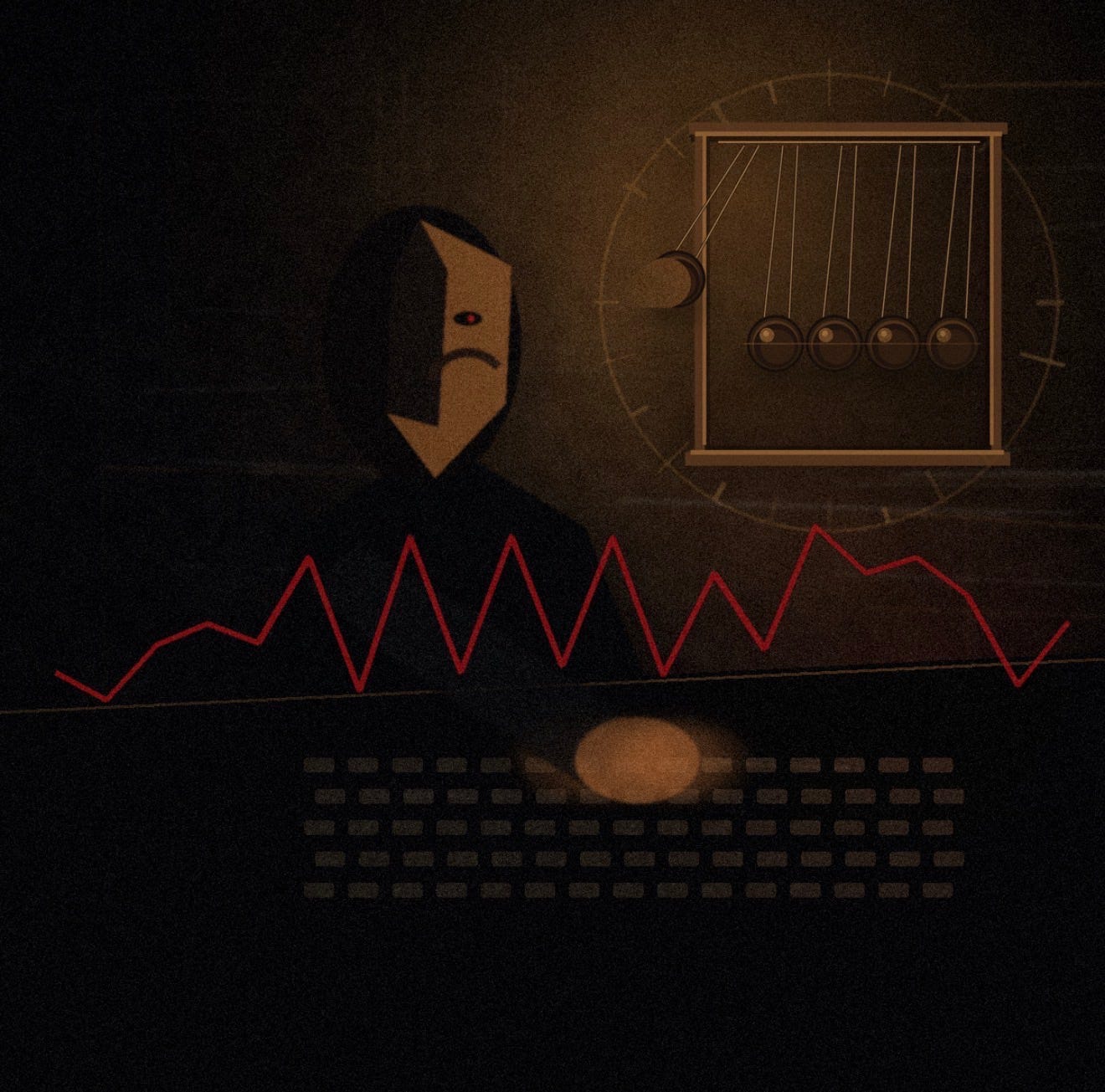
Then came the silence: the silence of the world outside, and the worse one within. By then, there was almost nothing left to organize. I had come apart like a box of wooden blocks emptied across a floor—hundreds of pieces, no instructions, no steady hand to begin.
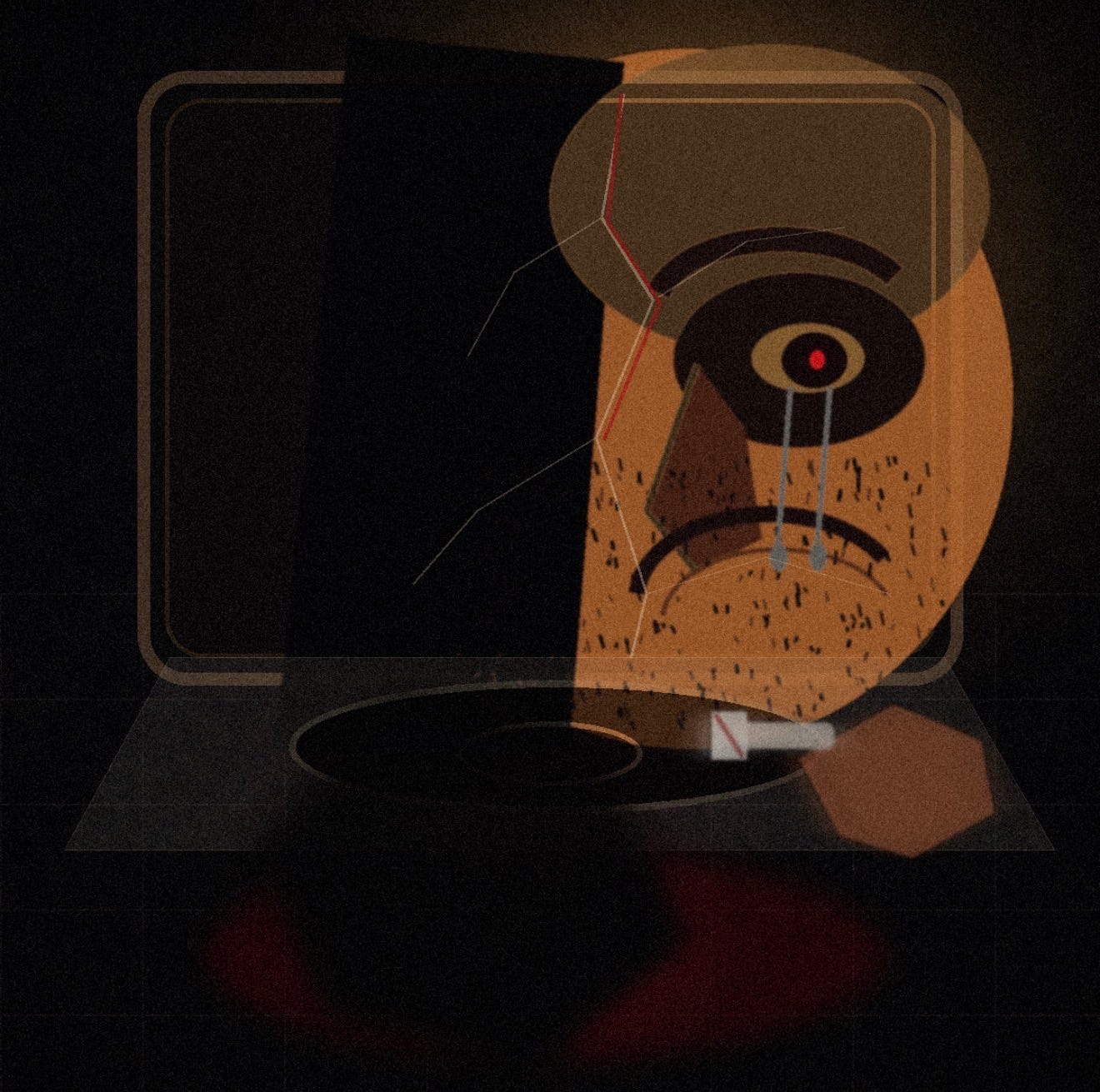
It was the middle of the night in a treatment center. I stood over a sink, trying to shave. My hand shook. The razor jumped between my fingers and struck the porcelain. I looked up.
The man in the mirror had sunken eyes and a face I did not recognize. He looked older than I felt and more frightened than I knew. His expression seemed to ask: Where were you while I was disappearing?
For the first time, I did not look away. I stayed until tears erased the face in front of me. Then my knees gave out, and I went down onto the bathroom floor. I do not know how long I stayed there.
From that floor, I did not promise myself the rest of my life. A life was too large. Forever was not a promise; it was pressure. So I chose the only boundary I could carry: not today.
Not today would I disappear. Not today would I hand my mind back to the thing that had been erasing me. Not today would I abandon the man in the mirror.
By morning, nothing had been solved. My history was still mine. The fear was still there. The silence had not left. But one fact had changed: I had made a decision and remained inside it.
That was the first day in years that truly belonged to me.
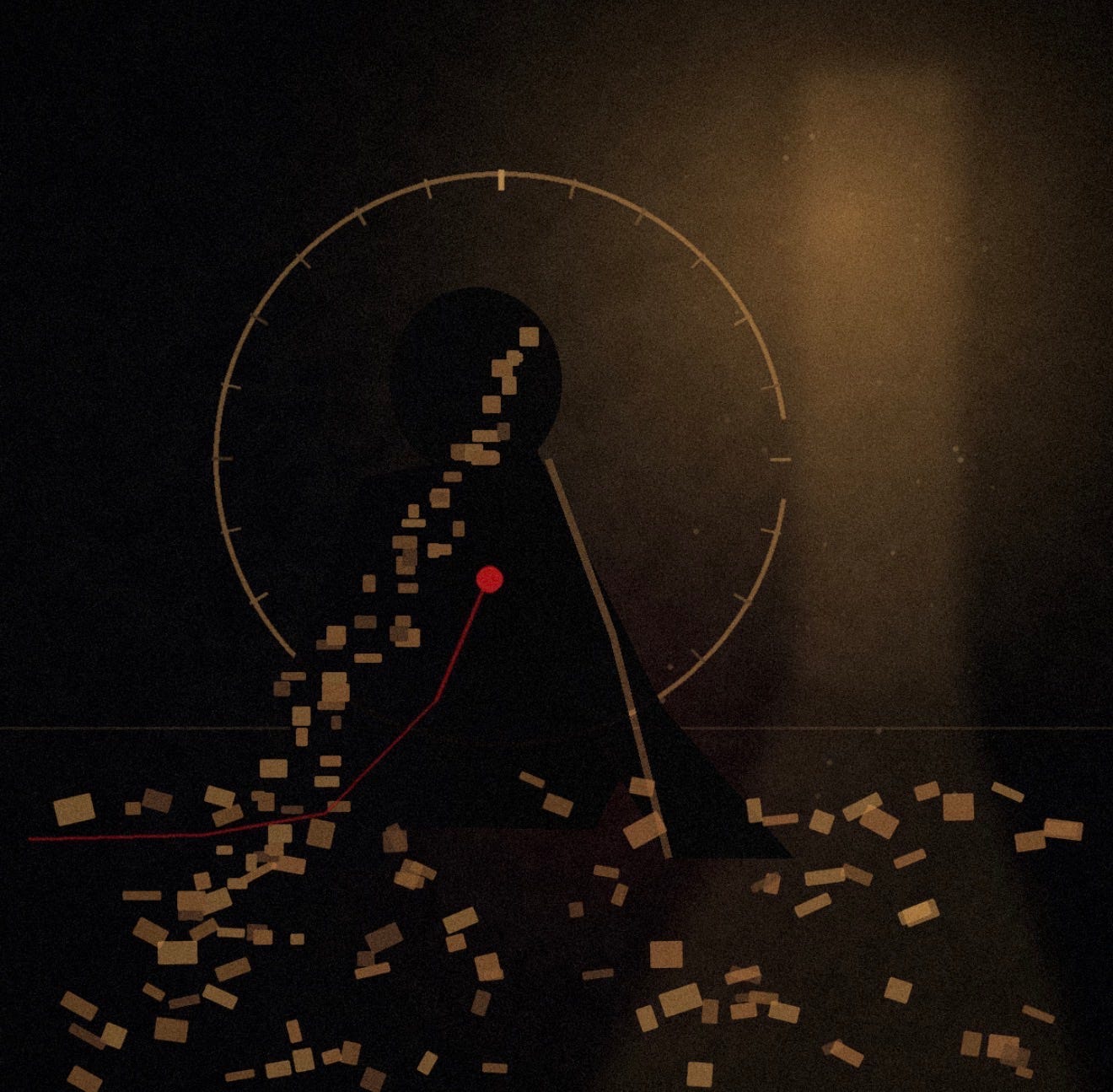
We misunderstand change because we imagine it as one magnificent act of will: a clean break, a new identity, a future rescued all at once. But the future was not what had been killing me. The past had already taken enough. I could not change it. I could only stop giving it another day.
That is how agency returns—not as confidence, but as scale. An hour. A meal. A phone call. A morning. Twenty-four hours is not small when it is the entire bridge back to yourself.
The hardest part was not the night. It was the silence that remained after I put down the thing I had used to drown it. I thought silence was emptiness. It was not. It was me, waiting to be heard.
At first, the silence was unbearable. Then it became legible. Beneath the panic was grief. Beneath the grief was exhaustion. Beneath the exhaustion was a person who did not need more punishment. He needed attention.
Recovery did not erase my past. It ended its automatic claim on my present.
I am writing this for one person. Maybe it is you tonight, bargaining with tomorrow: Monday, next month, someday, after one more drink, after life becomes easier. But life rarely becomes easier before the decision. The decision is often the first quiet thing that makes life possible again.
Do not ask yourself to carry forever. Do not ask the future to repair what the past keeps taking from today. Keep one day.
Someone you will never meet has stood at the same sink. Someone has looked into a mirror and failed to recognize his own face. Someone has gone down to the floor and believed there was nothing left.
There was.
A day.
Then another.
No one changes through one great decision. We change through one honest boundary, repeated without applause:
Not today.
And when morning comes:
Not today again.
A life can return that way—quietly, twenty-four hours at a time.