

What We Get Wrong About Alcohol
The verdict we reach

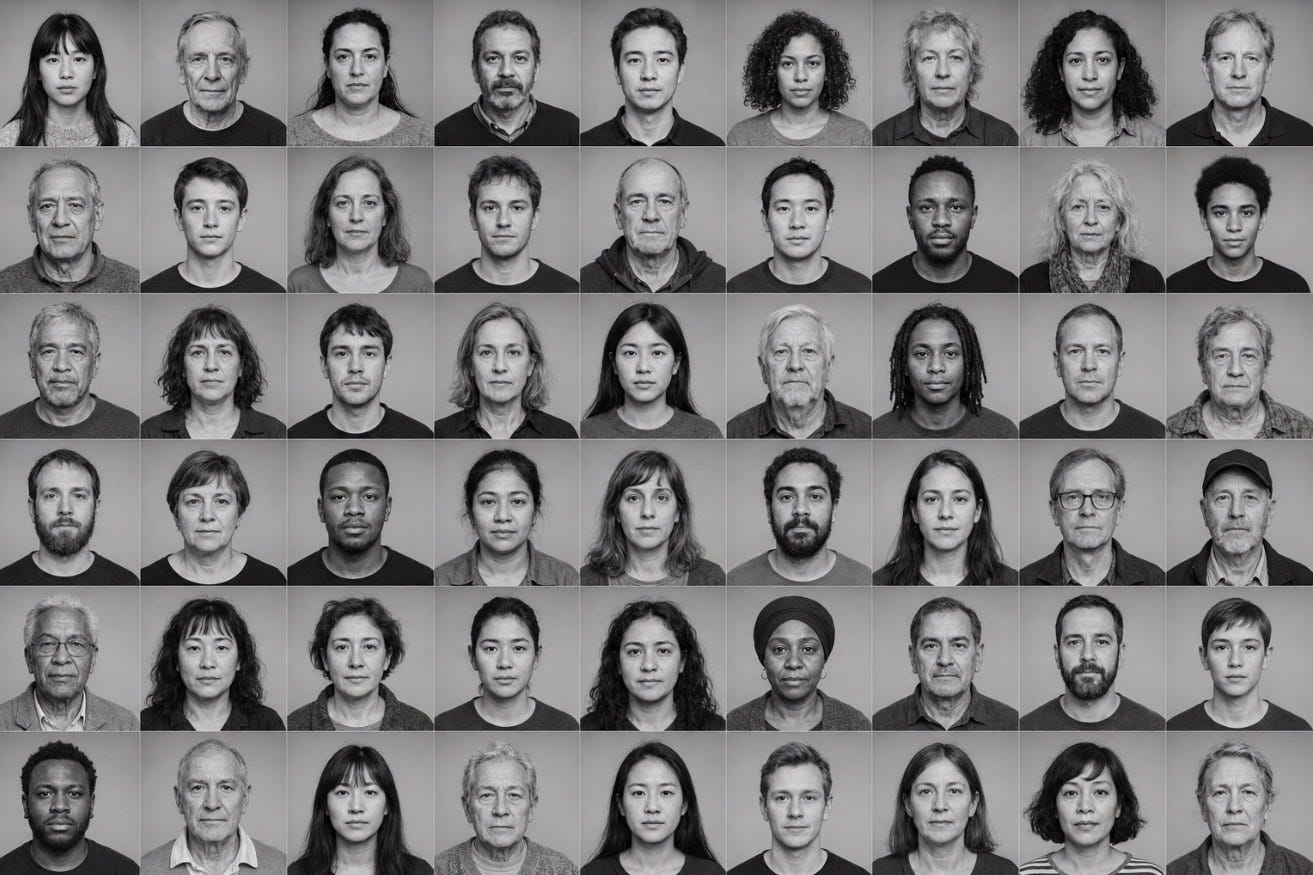
We toast with it and we judge the one who cannot stop - the last addiction still treated as a flaw of character. The clinical picture is quieter, steadier, and worth knowing.
The verdict we reach
Watch how quickly we decide. A person drinks too much, and the mind reaches not for a diagnosis but for a character sketch: weak, selfish, self-indulgent. We do this almost before we have finished the sentence. And yet alcohol use disorder is a recognised chronic, relapsing disorder of the brain - a medical condition, not a moral one. Judgement has never cured anything. It only closes the door a little further.
Part of the trouble is that we imagine a single figure. The stereotype: the man on the bench, the bottle in the bag, the life visibly ruined. But the disorder is a spectrum, not a type. It runs from mild to severe along eleven clear criteria, and the stereotype describes only the far end of it - the last few, not the many.
We look for the wrong sign, too. We assume it is measured in bottles, in the sheer quantity a body can hold. It is not. The core is loss of control: the inability to stop once started, the return despite harm. How much, how often - these are the surface. What matters is whether the person can choose to stop and finds that they cannot.
And so there is no face for it. Most who carry it work, raise children, pay their taxes, chair the meeting, make the dinner. Competence is the disguise. You cannot spot it by looking, and that is the quiet danger - not the ruin we picture, but the ordinary life carrying something no one can see.
The machinery underneath
To understand the illness, you have to go beneath the behaviour, into the tissue.
Sustained drinking physically alters the brain. It reshapes the very circuits that govern reward, that manage stress, that hold the reins of self-control - the systems we would need, precisely, in order to stop. Craving is not a failure of resolve. It is neurobiology: a wiring, measurable, that turns wanting into something closer to thirst. The part of the mind we would call on to decide is the part the illness has quietly rebuilt.
Why one person and not another is not a mystery of virtue. Genes and environment share the burden roughly in half - inheritance lowering the threshold, circumstance doing the rest. There is no single cause here, and no easy villain to blame, which is perhaps why we invent one. It is simpler to condemn a choice than to sit with the truth that the odds were loaded before the first drink was poured.
That physical grip is why the body, once dependent, cannot be reasoned with. Moderation becomes unreliable; for most with severe dependence, cutting down fails. Switching to beer, to wine, to something that feels gentler - it changes nothing, because the body reads ethanol, not the label. The molecule is the same in a crystal glass and a paper cup. For a dependent brain, abstinence is simply the safest ground.
And the grip is real enough to be dangerous in reverse. In severe dependence, stopping abruptly is not merely hard - it can bring seizures, delirium tremens, and it can kill. This is the cruel arithmetic of the illness: the substance harms, and its sudden absence can harm more. Serious cases need medically supervised detox, not willpower alone. Courage is not the treatment. Care is.
The way back
Here the story turns, quietly, toward hope - though the hope is clear-eyed, not sentimental.
The drinking rarely travels alone. Beneath it, so often, sit depression, anxiety, old trauma, the restless circuitry of ADHD. The bottle is frequently an answer to a question asked years earlier. Treat only the drinking, and the rest remains - patient, waiting, ready to pull the person back toward the one relief they found.
But treat the whole of it, and the outlook changes entirely. Alcohol use disorder responds to treatment as well as many chronic illnesses we would never think to shame. Most who seek help improve. Hopelessness is itself a myth - and a costly one, because it is precisely the belief that keeps a person from asking.
We forget, too, that we have medicine. Naltrexone, acamprosate, disulfiram - real, evidence-based, effective, and at their best when paired with therapy. And yet most who could benefit are never even offered them. The tools sit in the drawer while we go on calling it a matter of strength. It was never only strength.
Nor must anyone wait for catastrophe to begin. A short set of questions can catch the illness early, long before any ruin arrives. Early is not weaker. Early is wiser - the same wisdom we grant to any other disease we would rather find in its first chapter than its last.
And when there are setbacks, they are not the end of the story. In a chronic, relapsing illness, a lapse is a flare to be treated, not a verdict that erases the progress behind it. We do not tell the diabetic that a bad week undoes the year. We adjust, and we continue.
Which is why the most expensive myth of all is the one we cherish most: rock bottom. We speak of it as a doorway everyone must pass through, as though ruin were a prerequisite for repair. It is not. Most who recover never lose everything. Rock bottom is a story we tell - a narrative demand we place on the sick - and waiting for it costs more lives than almost anything else we believe.
So it begins, when it begins, with a word. Naming the thing is not shame; it is the single strongest act in the whole fight. Stigma keeps the door shut, and delay is what costs the most. To say it plainly - this is what is happening to me - is where recovery starts.
We are fluent in judging the drinker and illiterate about the illness. Perhaps that is the first thing to unlearn.
Warmly,
Dominic
www.qualityofbecoming.com