
Wake Up and Live
On alcoholism, character, and our weakness for single answers

In every drugstore there is a bottle that promises to be shampoo, conditioner, and body wash at once. Three in one. It sells because it flatters a certain kind of man: no decisions in the shower, no clutter on the shelf, one answer for the whole head.
We like our explanations the way we like our toiletries.
Ask what alcoholism is and you will be handed three bottles. It is a disease, says medicine. It is a flaw of character, says the family that has stopped waiting up. It is just a personality, says the drinker, refilling. Each label promises to do all the work. None of them does.
The disease. Medicine settled its part long ago: the manuals call it a disorder, the scans show the reward circuits rewired, the craving has an address in the brain. The disease model was a mercy - it walked the drinker out of the confessional and into the clinic, traded sin for treatment. But this is an unusual disease. Diabetes does not hide receipts. Pneumonia does not swear it can stop whenever it wants. This is the one illness that recruits its host as an accomplice - which is why the label, true as it is, explains everything and settles nothing. A diagnosis is not an alibi. It tells you what you have; it does not tell you what you will do.
The character. The oldest bottle on the shelf. Weakness, vice, lack of will - a verdict cruel and popular, because it flatters the judge: I do not drink like that, for I am strong. In vino veritas, we repeat - wine reveals character. It does not. Wine borrows against character, quietly, the way interest eats a debtor: first the promises, then the punctuality, then the person. Character is not what fails in the drinker. Character is what the drinking slowly spends.
The personality. Science’s favorite myth is the “addictive personality” - as if there were one type of person the bottle prefers. There is not. There are traits that raise the odds: impulsivity, restlessness, a hunger for intensity, a talent for feeling bad. A temperament, not a verdict. Plenty of restless people never fall; plenty of careful ones do. Personality opens the door. It does not sign the lease.
So which is it - disease, character, personality?
The honest answer is the drugstore answer: three in one. It arrives as personality - I simply enjoy a drink; it is who I am. It settles in as character - because habits are character in slow motion, and drinking is a habit with excellent PR. And it ends as disease - the point where “I choose to” conjugates into “I have to.” The old proverb knew the sequence before medicine named it: first the man takes a drink, then the drink takes a drink, then the drink takes the man. Guest, tenant, landlord.
But notice the question itself - who asks it, and what they want from the answer. The drinker asks “is it a disease?” and hopes for an acquittal. The family asks “is it his character?” and is deciding whether to forgive or to leave. Only the doctor skips the question and asks the useful one: what works.
Because this whole debate is not really about alcohol. It is a trial about blame - and blame is a currency that buys nothing at this counter. The diagnosis explains but does not excuse. The character verdict judges but does not cure.
Here is the distinction all three labels keep missing. A disease is something you have. Character is something you are. But a person - a person is something you become.
Recovery, when it happens, is not a return. The man who stops drinking does not get his old self back, because his old self is the one who started. He has to become someone new, and becoming is done the unglamorous way: one refused glass at a time, repeated until it feels natural. Until he becomes it.
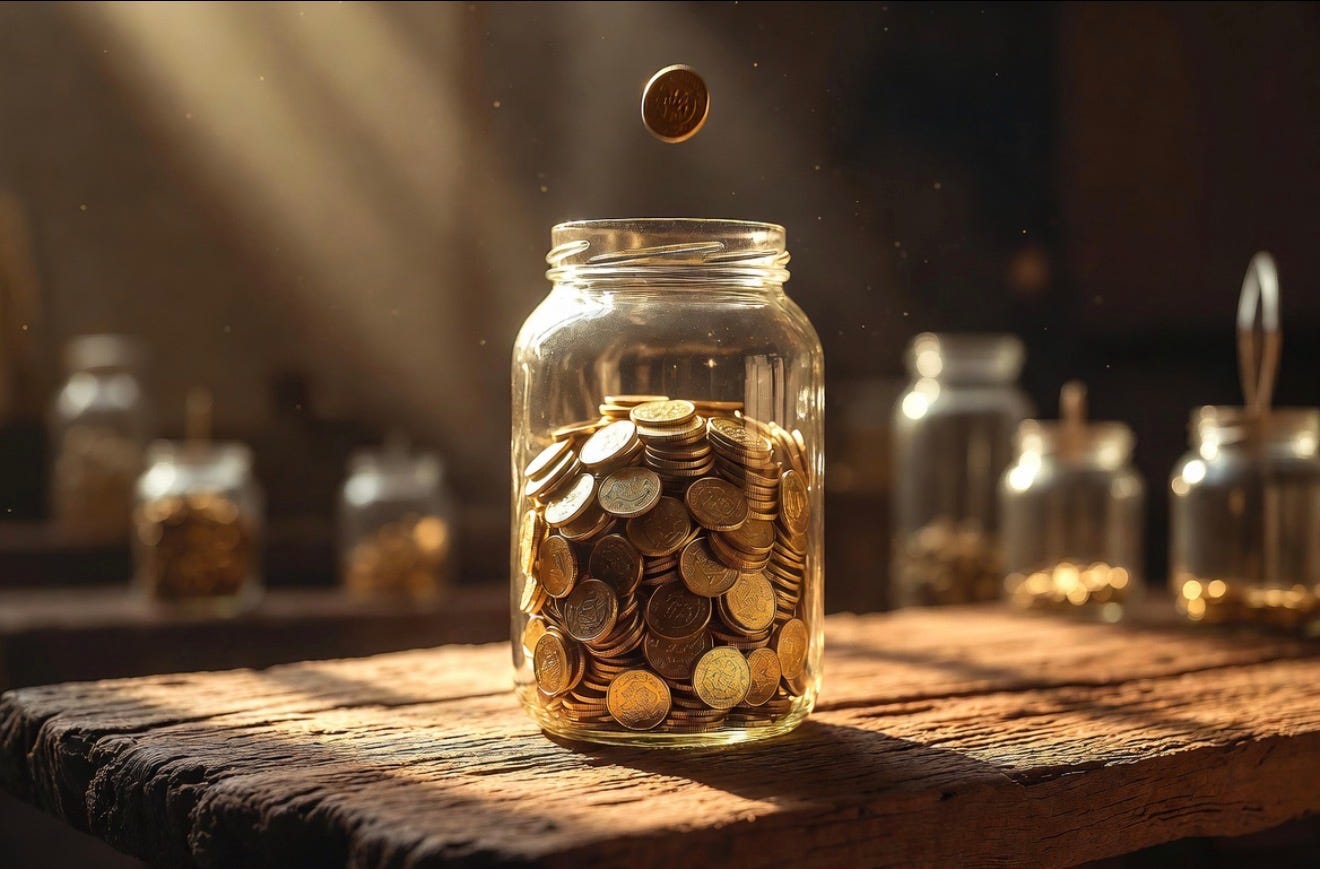
There is no three-in-one for that. Every ingredient of a sober life is sold separately - and paid for in the smallest coin there is: one day.
One day. One self. Only twenty-four hours.
A success no one has to admire. It is yours - for you, and for him: the one you are becoming.
What stayed with me is that this isn't really about politics. It's about the different shapes freedom can take after the same wound.
People can escape the same oppression and still build completely different worlds from it. Shared pain doesn't always produce shared values.
A thoughtful reflection.